Why Rodent Entry Point Inspection Is the First Step in Pest Control
It starts with a small sound. A scratching noise in the wall, maybe just a few seconds, then silence. You tell yourself it is the house settling. But a few days later you find droppings in the pantry or a gnawed hole in a box of cereal. At that point, most people reach for a trap or a bait block. They want the problem gone fast, and I get that. But stopping a rodent problem before it gets worse requires something more basic than a snap trap or a block of rat bait. It requires understanding how the animal got inside in the first place. That is where a thorough rodent entry point inspection makes all the difference.
Looking Past the Mouse Trap
Traps and baits have their place. A well-placed snap trap can catch a mouse in a night. A bait station can reduce a rat population over time. But if you only deal with the animals inside the house, you are playing a game of whack-a-mole. New rodents will keep finding the same gaps and cracks that let the first ones in. That is why pest control pros in Cleveland TN and everywhere else put so much emphasis on the inspection phase. A rodent entry point inspection is not just looking around the baseboards. It means crawling under porches, checking the roofline, and testing seals that most homeowners never think about.
I have done hundreds of these inspections, and I can tell you that the obvious spots are rarely the only ones. People expect to find a gap under the garage door or a crack in the foundation. Those are common, sure. But rodents are smaller and more determined than most people give them credit for. A rat can squeeze through a hole the size of a quarter. A mouse only needs a hole the size of a dime. That means a tiny gap where the siding meets the foundation, or a loose piece of weather stripping on a seldom-used door, can be an open invitation.
Where Rodents Actually Get In
Over the years I have seen entry points in some surprising places. Soffit vents that were never screened. Roof gaps where the fascia board pulled away from the shingles. A hole around a dryer vent that looked harmless but led straight into the attic. One of the most common spots is where the roofline meets the gable end of a house. If there is any separation there, birds and squirrels find it first, and then rats follow. Another frequent problem is the gap around a garage door seal. The rubber strip at the bottom wears down over time, and if it does not touch the ground evenly, a rat can slip right under.
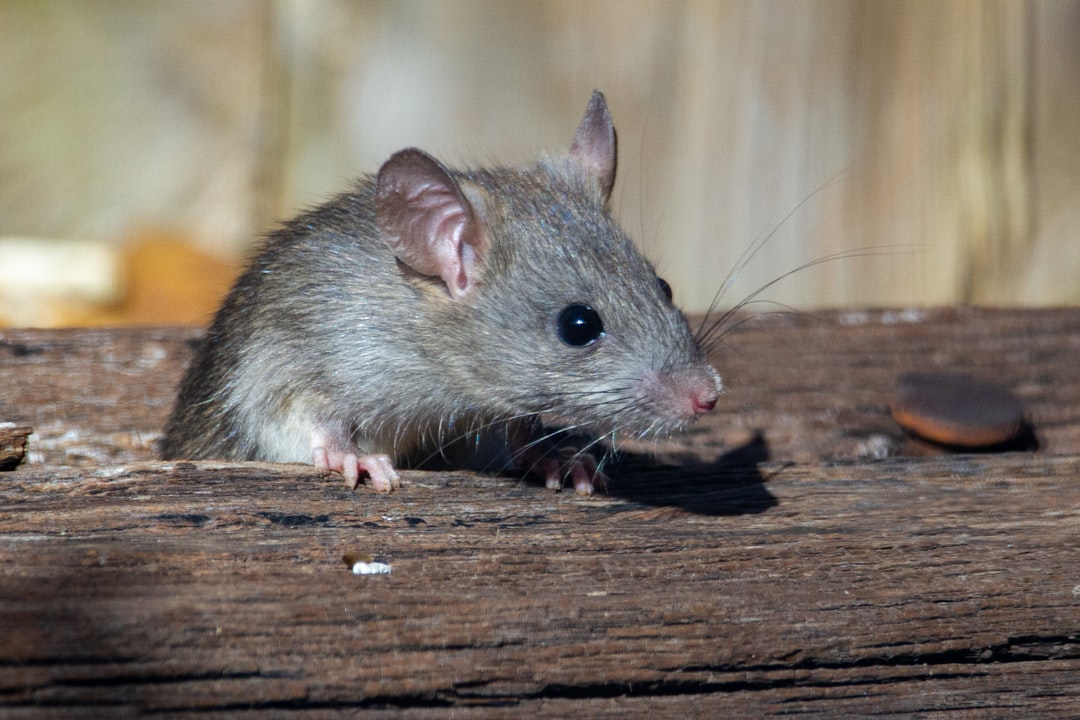
Ground holes are another big one. Rats dig. They will burrow under a slab or along the edge of a foundation wall. If you have a crawl space with a dirt floor, they can come up through a gap around a plumbing pipe. I have seen whole colonies living under a house, using a single ground hole near the back corner as their front door. A good pest inspection catches all of that. It takes time and patience, but it is the only way to get ahead of the problem.
The Inspection Process
A proper rodent entry point inspection starts outside and works inward. You look at the foundation first. Any foundation crack wider than a pencil lead is a potential entry. You check the soil line for burrows. You examine the siding for gaps where two different materials meet, like where wood siding meets brick or where vinyl siding meets a window frame. You press on the weather stripping around doors to see if it still seals tight. You look at the roofline and soffit vents for gaps or missing screens.
Inside, you go to the basement or crawl space first. You look at every pipe penetration. You check the rim joists where the floor meets the foundation wall. You look for rub marks, which are greasy smudges left by rodent fur along pathways. You look for droppings, which tell you not only that rodents are present but also where they travel most often. Then you go to the attic. You check the eaves, the roof deck, and the areas around vents and chimneys. You look for nesting material, gnaw marks, and entry points from the outside that you might have missed from ground level.
All of this sounds like a lot, and it is. But it is also the difference between a temporary fix and a long-term solution. That is why companies like Hiwassee Pest Control build their whole approach around exclusion first. Trapping and baiting handle the animals already inside. Rodent exclusion and structural repair handle the rest. You seal the gaps, reinforce the vulnerable spots, and then monitor for new activity. It is a system, not a single step.
Materials That Work and Those That Do Not
Not every seal is equal. If you stuff a crack with expanding foam alone, a rat will gnaw through it in minutes. That is where the right materials come in. Copper mesh and steel wool are the gold standard for blocking small gaps. Rodents cannot chew through either one, and copper mesh does not rust, so it lasts for years. You push it into the crack and then seal over it with caulk or foam. For larger gaps, like a hole around a pipe or a rotted soffit vent, you need a more permanent repair. That might mean cutting out a section of siding and replacing it, or installing a metal flashing over a roof gap.
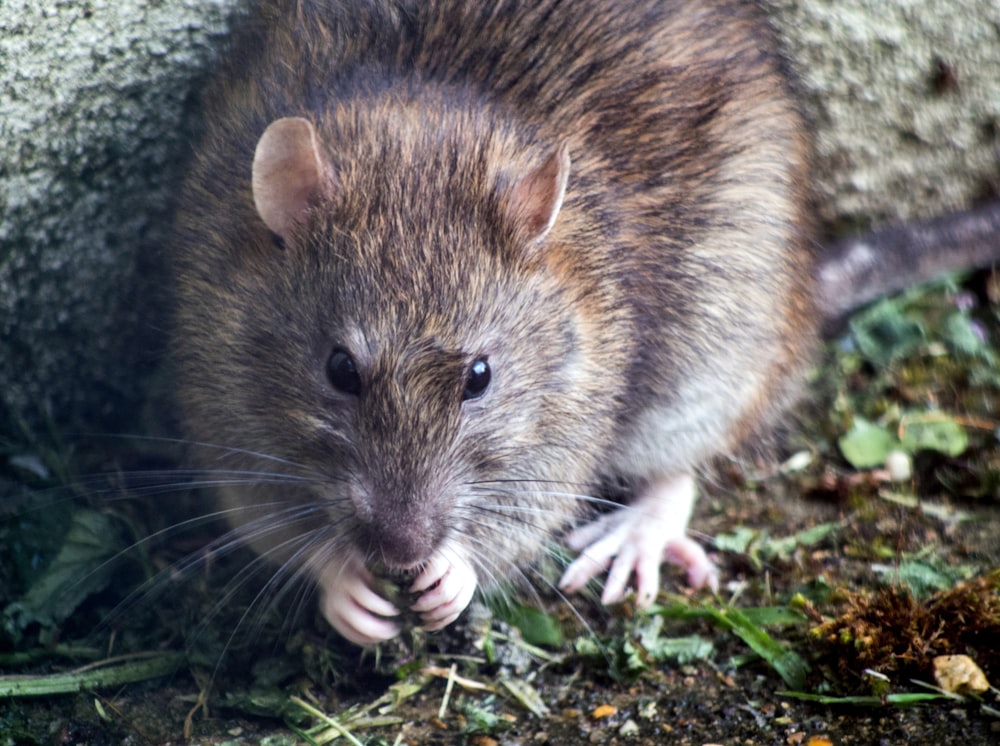
Some homeowners try ultrasonic repellers at this stage. I understand the appeal. You plug a device in, and it supposedly drives rodents away with sound. In my experience, ultrasonic repellers are not reliable for an active infestation. Rodents get used to the noise quickly, especially if there is a food source nearby. They are fine as a deterrent in a clean, sealed building, but they will not solve an entry problem on their own. The same goes for bait stations. Rat bait kills the rodents that eat it, but it does nothing to prevent new ones from coming in through the same hole. That is why I always recommend starting with the inspection and the exclusion work before you spend money on devices or poisons.
Signs You Need an Inspection
You do not have to wait until you see a rodent to schedule a rodent entry point inspection. In fact, it is better to do it before you have a problem. But if you are not sure, here are a few signs that an inspection is overdue:
- Droppings in the garage, basement, or attic, even if you rarely see the animals themselves.
- Gnaw marks on wood, plastic, or electrical wiring. Fresh gnaw marks look light in color and feel rough.
- Rub marks along baseboards or around pipe chases. These are greasy, dark smudges from rodent fur.
- Unexplained pet behavior. Dogs and cats often hear or smell rodents before humans do.
- Scratching or scurrying sounds in walls or ceilings, especially at night.
If any of those sound familiar, it is worth getting a professional look. A pest inspection from a qualified company covers all the potential entry points and gives you a plan to seal them. It also helps you decide whether you need a snap trap here and there or a more comprehensive trapping and exclusion program.
Putting It All Together
Rodent control is not complicated, but it does require a methodical approach. You start with a thorough rodent entry point inspection. You identify every gap, crack, and hole that could let a rodent in. Then you seal them with the right materials, whether that is copper mesh for small cracks or structural repair for larger damage. After the exclusion work is done, you set up monitoring and trapping for any rodents that are already inside. That final step might involve snap traps in high-traffic areas or bait stations in locked boxes where pets and children cannot reach them. But the trapping is secondary to the sealing. If you do not close the entry points, you will keep catching the same number of rodents indefinitely.

Hiwassee Pest Control in Cleveland TN follows that exact sequence. They start with the inspection, move to exclusion and structural repair, and only then focus on trapping and baiting. It is a proven order of operations that works because it addresses the root cause. Rodents are not magic. They get in through physical gaps, and if you close those gaps, they cannot come back. That is the whole idea behind rodent proofing a house. It is not a one-time thing either. Seals wear out, foundations settle, and new gaps appear over time. A yearly check of your soffit vents, garage door seal, siding gaps, and foundation crack can save you from a full-blown infestation down the road.
So if you are dealing with rodents, start at the outside. Look at the ground holes under the deck, the weather stripping on the door, the roof gap above the gutter. That is where the real work happens. A mouse trap will catch a mouse, but a proper inspection will keep the next one out.